
How to start planning for retirement is a question that keeps many people awake at night, especially when the fear of not having enough money later in life feels closer than the retirement itself. That fear is real, and it’s more common than you might think. The comforting truth is that starting now, even in small ways, can take a huge amount of pressure off your future self.
Retirement planning isn’t about having a perfect strategy from day one. It’s about building momentum. A little consistency today can quietly turn into real financial security over time, and this guide will show you exactly how to begin.
What Is Retirement Planning?
Retirement planning is the process of setting financial goals for life after you stop working, then building a strategy to reach them. It combines saving, investing, and long-term decision-making into one coordinated plan.
Having a financial plan matters because it turns a vague hope (“I’ll be fine someday”) into a clear path with actual numbers and milestones. It’s the difference between hoping for financial independence and actively building it.
Why Start Planning for Retirement Early?
Starting early gives your money the most valuable resource it has: time. Thanks to compound interest, your returns start generating their own returns, creating growth that accelerates the longer it continues.
Here’s a simple example. If you invest $200 a month starting at age 25, with an average annual return of 7%, you could have roughly $525,000 by age 65. Wait until age 35 to start the same $200 monthly contribution, and that number drops to around $245,000.
That ten-year gap doesn’t just cost you contributions, it costs you decades of compounding. Small amounts invested consistently, especially early on, can make a bigger difference than large amounts invested later.
Step 1: Define Your Retirement Goals
Every retirement plan starts with clarity. Ask yourself:
- At what age would you like to retire?
- What lifestyle do you expect: frequent travel, a quiet routine, or something in between?
- Do you have specific retirement goals, like paying off a home or supporting family members?
These answers shape every financial decision that follows.
Step 2: Estimate How Much You Need for Retirement
Once your goals are set, estimate the costs behind them. Consider:
- Future expenses: housing, healthcare, food, and lifestyle costs.
- Inflation: prices rise steadily, so future expenses will likely be higher than today’s.
- A financial cushion: unexpected costs happen, so plan for a buffer above your basic estimate.
If you want a clearer picture of your numbers, a Compound Interest Calculator can help you visualize how your current contributions might grow over time.
Step 3: Start Saving and Investing
Saving and investing are related, but they’re not the same thing. Saving keeps your money safe and accessible; investing puts your money to work so it can grow.
Relying only on savings usually isn’t enough to keep pace with inflation. Combining steady retirement savings with a long-term investment strategy is one of the most effective ways to build long-term wealth. Our Saving Money Tips guide is a good starting point if consistent saving still feels difficult.
Step 4: Understand Retirement Accounts
Retirement accounts offer tax advantages that can accelerate your progress.
401(k)
An employer-sponsored account, often with matching contributions, essentially free money added to your retirement savings.
Roth IRA
Funded with after-tax dollars, so qualified withdrawals in retirement are typically tax-free.
Traditional IRA
Contributions may reduce your taxable income now, with taxes paid later when you withdraw the funds.
Choosing the right combination depends on your income, goals, and expected tax situation in retirement.
Step 5: Choose Long-Term Investments
A retirement investment strategy usually works best with a long-term mindset. Common building blocks include:
- Stocks: ownership in companies with long-term growth potential.
- ETFs: baskets of assets offering built-in diversification.
- Index funds: funds tracking a market index, often with low fees.
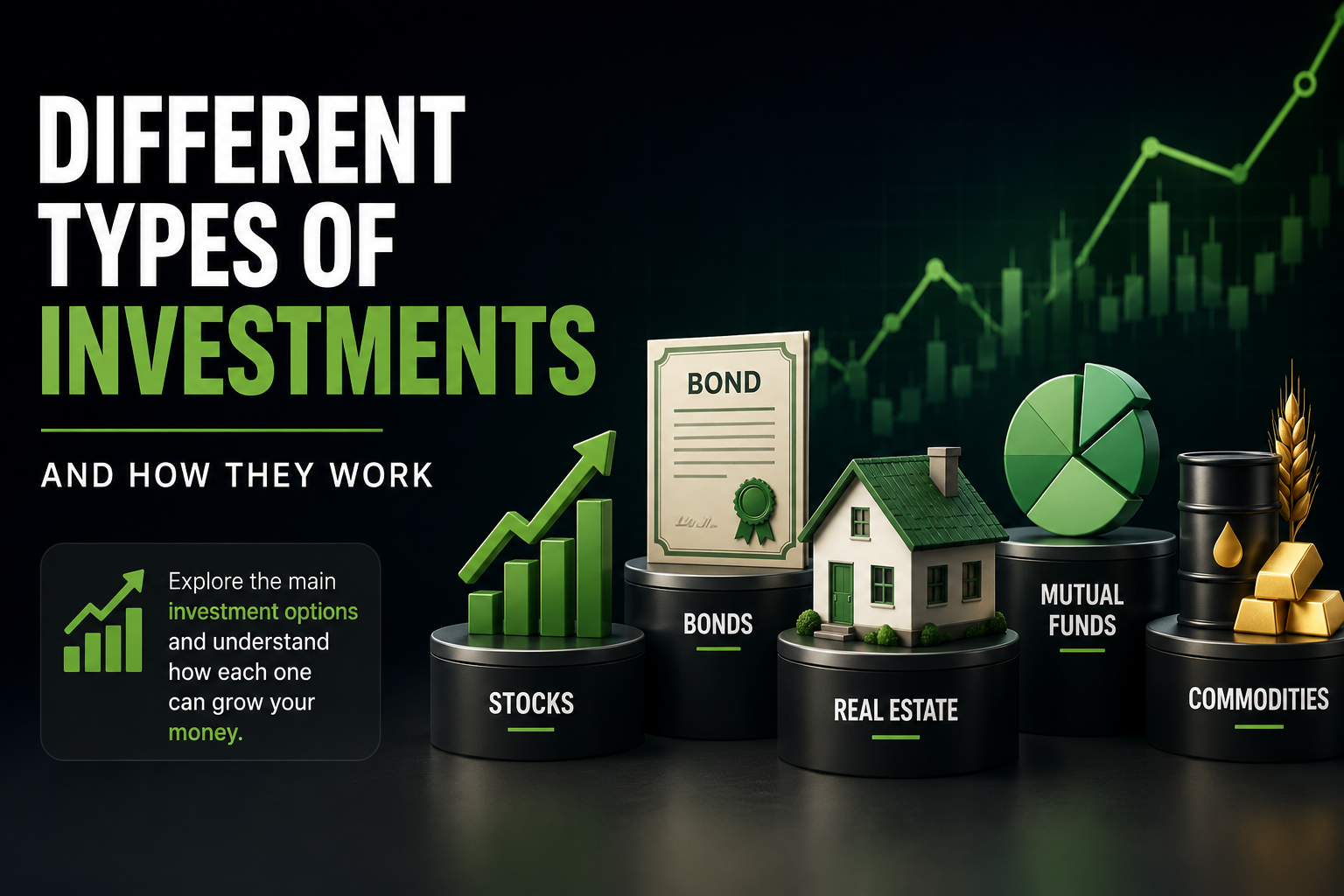
Diversification, spreading your money across different assets, helps reduce risk while still allowing your portfolio to grow. To learn more about how these options compare, check out our guide on Types of Investments.
Common Retirement Planning Mistakes
- Waiting too long to start. Lost time can’t be recovered, and it reduces the power of compounding.
- Not investing at all. Cash alone often loses value to inflation over the years.
- Never reviewing the plan. Life changes, income changes, and your plan should adapt with it.
- Ignoring retirement benefits. Skipping an employer match or a tax-advantaged account leaves money on the table.
Retirement Planning Checklist
Use this simple checklist to stay on track:
- [ ] Set clear retirement goals
- [ ] Estimate future expenses
- [ ] Start saving consistently
- [ ] Choose the right retirement accounts
- [ ] Build a diversified investment strategy
- [ ] Review your retirement plan regularly
Frequently Asked Questions
When should I start planning for retirement? As early as possible. Starting in your 20s or 30s gives compound interest more time to work, but it’s never too late to begin building retirement savings.
How much money do I need to retire? It depends on your expected lifestyle, expenses, and retirement age. A common guideline is to aim for enough savings to replace 70–80% of your pre-retirement income each year.
How much should I save for retirement each month? Many financial experts suggest saving 10–15% of your income for retirement, though the right amount depends on your goals and timeline. Even smaller amounts, saved consistently, can grow significantly over time.
Is investing important for retirement planning? Yes. Investing allows your money to grow faster than inflation, which is essential for long-term wealth and future financial security. Our Investment Calculator can help you estimate potential growth based on your own numbers.
Final Thoughts
You don’t need a perfect plan to start planning for retirement, you just need to start. Set a goal, save what you can, choose an account, and let time and compounding do the rest.
If you’re ready to take the next step, explore our Budgeting Guide and other tools to turn today’s small actions into lasting financial independence.