
Meta Description:
Learn personal finance basics for beginners, including money management, budgeting, saving, and investing to build a stronger financial future.
Introduction
Managing money is one of the most important skills you can learn.
However, many people never receive proper financial education. Because of this, they may struggle with budgeting, saving money, or planning for the future.
Personal finance is not only about earning more money. Instead, it is about making better decisions with the money you already have.
By learning the basics of personal finance, you can create better habits, reduce financial stress, and work toward your financial goals.
In this guide, you will learn the fundamentals of personal finance, including how to manage money, create a budget, save, invest, and build long-term wealth.
What Is Personal Finance?
Personal finance is the process of managing your money to achieve financial stability and reach your goals.
In simple terms, personal finance covers everything related to your financial life, including:
- How you earn money
- How you spend money
- How you save money
- How you invest
- How you manage debt
For example, deciding how much money to save each month or creating a plan to pay off debt are personal finance decisions.
Therefore, understanding personal finance helps you take control of your money instead of letting money control you.
Why Is Personal Finance Important?
Personal finance affects almost every decision you make in life.
For instance, your financial habits can influence your ability to:
- Buy a home
- Build emergency savings
- Pay for education
- Prepare for retirement
- Achieve financial freedom
Without proper money management, people may face problems such as unnecessary debt, overspending, and financial stress.
On the other hand, good financial habits can provide more security and confidence.
As a result, learning how to manage money is one of the best investments you can make in yourself.
The Five Main Areas of Personal Finance
Personal finance is usually divided into five important areas:
- Money management and budgeting
- Saving and emergency funds
- Investing for the future
- Managing debt
- Setting financial goals
Together, these areas create the foundation for a healthier financial life.
1. Money Management and Budgeting
Budgeting is one of the first steps toward improving your personal finances.
A budget is a simple plan that helps you understand where your money goes each month.
First, calculate your total income. Then, list your monthly expenses, such as:
- Housing
- Food
- Transportation
- Bills
- Entertainment
After that, you can identify areas where you may be spending too much.
A good budget helps you:
- Control your spending
- Save more money
- Avoid unnecessary purchases
- Prepare for future goals
One popular budgeting method is the 50/30/20 rule:
- 50% for needs
- 30% for wants
- 20% for savings and debt payments
However, this rule is only a guideline. The best budget is the one that matches your personal situation.
2. Saving Money and Building an Emergency Fund
Saving money is an essential part of financial security.
An emergency fund protects you from unexpected expenses, such as:
- Medical bills
- Car repairs
- Job loss
- Emergency situations
Ideally, many experts recommend building an emergency fund that covers three to six months of essential expenses.
However, you do not need to save a large amount immediately.
Instead, start with small steps:
- Save a fixed amount every month
- Automate your savings
- Avoid unnecessary spending
- Increase your savings over time
Even small contributions can grow into meaningful savings.
3. Investing for Beginners
Saving money is important. However, investing can help your money grow over time.
Investing means using your money to buy assets that may increase in value.
Common investment options include:
- Stocks
- Bonds
- Index funds
- ETFs
- Real estate
Before investing, it is important to understand your goals and risk tolerance.
For example, younger investors may have more time to handle market changes, while others may prefer safer investments.
In addition, starting early can be powerful because of compound growth.
Compound growth means your money can generate returns, and those returns can generate additional growth over time.
4. Managing Debt Effectively
Debt management is another important part of personal finance.
Some types of debt include:
- Credit cards
- Personal loans
- Student loans
- Mortgages
However, not all debt is the same.
High-interest debt, especially credit card debt, can make financial progress more difficult.
There are two popular strategies for paying off debt:
Debt Snowball Method
With this method, you pay your smallest debts first.
As each debt disappears, you gain motivation to continue.
Debt Avalanche Method
With this method, you focus on paying debts with the highest interest rates first.
As a result, you may save more money over time.
The best strategy depends on your financial situation and personal goals.
5. Setting Financial Goals
Having clear financial goals makes it easier to stay focused.
For example, your goals may include:
- Saving your first $10,000
- Paying off debt
- Buying a home
- Investing for retirement
- Creating passive income
A good financial goal should be:
- Specific
- Measurable
- Realistic
- Time-based
Because of this, creating clear goals can help you make better financial decisions.
How to Improve Your Personal Finances
Improving your finances requires consistent actions.
Here are some simple steps you can start today:
Track Your Spending
First, understand where your money goes.
Tracking expenses helps you identify unnecessary spending and make better decisions.
Create a Budget
A budget gives your money a purpose.
Instead of wondering where your money went, you decide where it should go.
Automate Your Savings
Automatic transfers make saving easier.
Therefore, you can build savings without relying only on motivation.
Continue Learning About Money
Financial education is a lifelong process.
The more you learn, the better decisions you can make.
Common Personal Finance Mistakes to Avoid
Many people make mistakes that slow down their financial progress.
Some common mistakes include:
- Spending more than you earn
- Not creating an emergency fund
- Ignoring retirement planning
- Using too much high-interest debt
- Investing without understanding the risks
Fortunately, these mistakes can be avoided with proper planning and education.
Final Thoughts
Personal finance is not about becoming rich overnight.
Instead, it is about creating better habits and making smarter decisions with your money.
By learning how to budget, save, invest, and manage debt, you can build a stronger financial future.
Remember, small financial improvements made consistently can create big results over time.
At MoneyHorizon, our goal is to provide simple and practical financial education to help people make better money decisions.
Frequently Asked Questions (FAQ)
What is personal finance?
Personal finance is the management of your income, expenses, savings, investments, and debt to achieve financial goals.
How can beginners start managing money?
Beginners should start by tracking expenses, creating a budget, building savings, and learning basic investing concepts.
How much money should I save every month?
The amount depends on your income and expenses. However, saving consistently is more important than saving a large amount.
Is investing important for beginners?
Yes. Investing can help your money grow over time and support long-term financial goals.
WordPress Category:
Personal Finance
Tags:
Personal Finance, Money Management, Budgeting, Saving Money, Investing, Financial Freedom
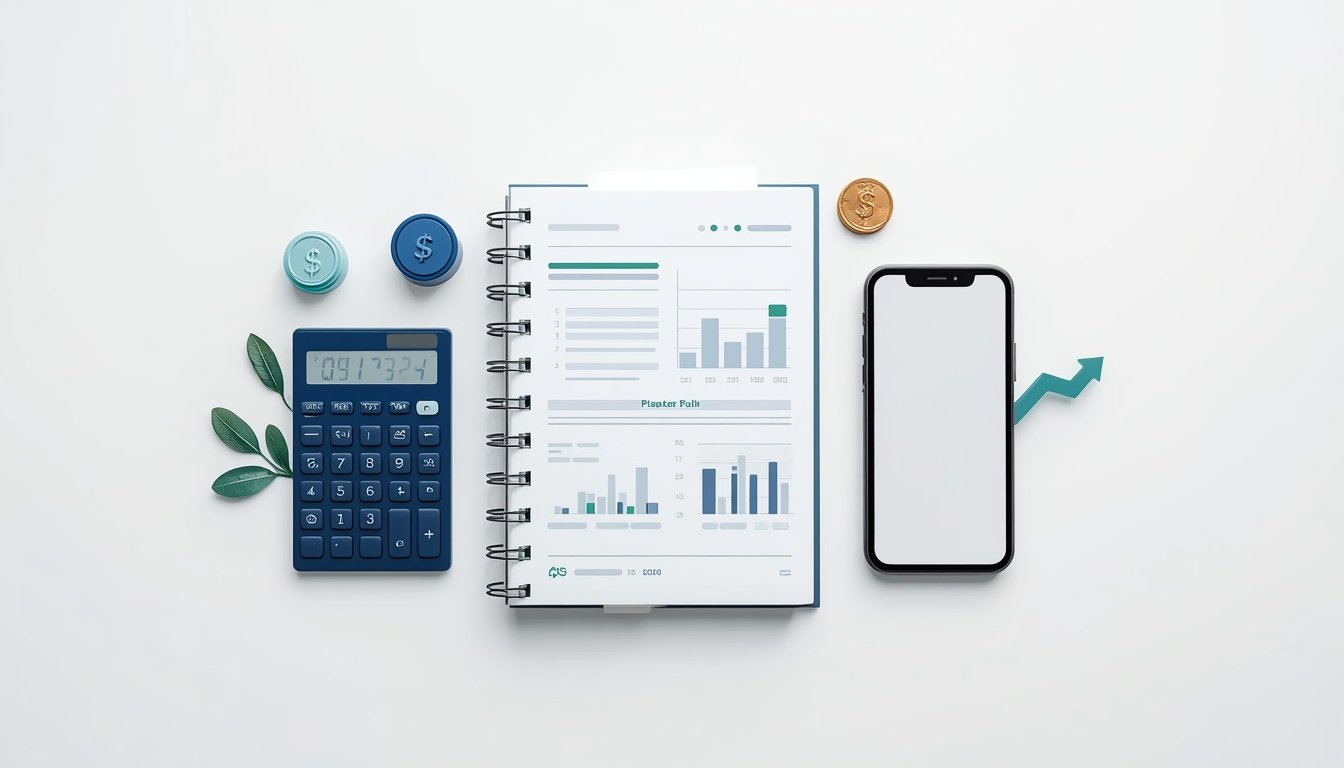
Featured Image:personal-finance-for-beginners.webp
Image ALT:Personal finance guide showing budgeting, saving, investing and money management concepts